{"componentChunkName":"component---src-templates-post-template-tsx","path":"/post/using-the-whiteboard-in-the-drama-class/","result":{"data":{"file":{"childMdx":{"body":"function _extends() { _extends = Object.assign || function (target) { for (var i = 1; i < arguments.length; i++) { var source = arguments[i]; for (var key in source) { if (Object.prototype.hasOwnProperty.call(source, key)) { target[key] = source[key]; } } } return target; }; return _extends.apply(this, arguments); }\n\nfunction _objectWithoutProperties(source, excluded) { if (source == null) return {}; var target = _objectWithoutPropertiesLoose(source, excluded); var key, i; if (Object.getOwnPropertySymbols) { var sourceSymbolKeys = Object.getOwnPropertySymbols(source); for (i = 0; i < sourceSymbolKeys.length; i++) { key = sourceSymbolKeys[i]; if (excluded.indexOf(key) >= 0) continue; if (!Object.prototype.propertyIsEnumerable.call(source, key)) continue; target[key] = source[key]; } } return target; }\n\nfunction _objectWithoutPropertiesLoose(source, excluded) { if (source == null) return {}; var target = {}; var sourceKeys = Object.keys(source); var key, i; for (i = 0; i < sourceKeys.length; i++) { key = sourceKeys[i]; if (excluded.indexOf(key) >= 0) continue; target[key] = source[key]; } return target; }\n\n/* @jsx mdx */\nvar _frontmatter = {\n \"title\": \"PRACTICE: Using the Whiteboard in the Drama Class\",\n \"link\": \"/using-the-whiteboard-in-the-drama-class/\",\n \"pub_date\": \"2016-12-07T03:33:27.000Z\",\n \"dc_creator\": \"SDEA\",\n \"guid\": [\"https://sdea.org.sg/?p=6885\"],\n \"description\": null,\n \"content\": \"\\n\\n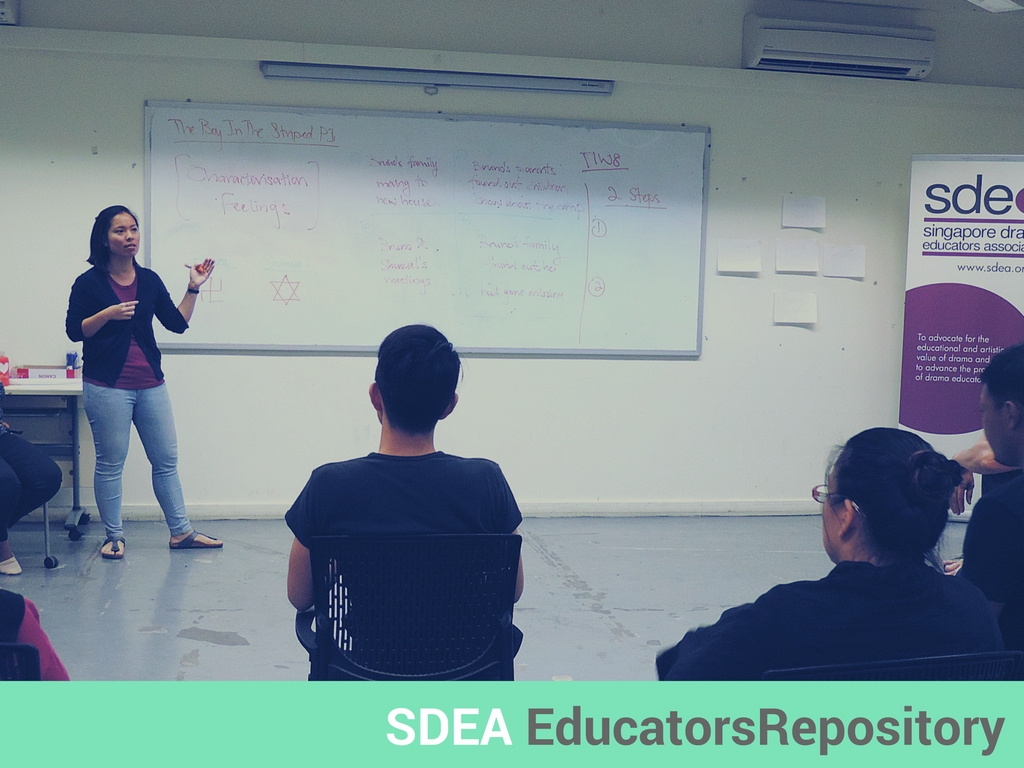\\n\\nDrama Pedagogy: Essential Teaching and Learning Approaches was a certification course for drama educators to pick up the essential principles of teaching drama. What was wonderful about the course was that participants came from diverse teaching backgrounds and the sharing was rich because of it.\\n\\nWe noticed during the course that some teachers had an excellent way of using the whiteboard to organise learning. Some shared that by keeping their board layout consistent, it helps keep students on track, helping them recall and digest information/instructions faster. Students also ask fewer questions related to instructions and teachers were able to get on with the lessons faster.\\n\\nTIP: Use your board as support for your voice - to give instructions, examples and feedback. Here's how you can do it:\\n\\n**1 Colour Code It**\\nHaving a system of using each colour of whiteboard pen for a particular use will help students understand and remember what you are teaching them.\\n\\n**2 Write the aims for today’s lesson**\\nWriting this at the top or side of the board before class and ticking each one off as you do it or at the end of the class can show students you are teaching systematically and that you have a reason for each thing you do in class. It can also help with revision and taking student questions at the end of the day.\\n\\nKeeping track of the objectives of the lesson and activities on the board also allows people (read: principals/HODs) who happen to drop in on your lesson to understand where you are going with the activity.\\n\\n**3 Divide up the board**\\nEven if you don’t want to have a particular system for each box on board, just dividing the board into 4 or so boxes of different sizes at the beginning of the lesson can really help with organisation of the things you write up. Things you can use the boxes for include errors you corrected, homework and other administration, and student questions you are saving for later.\\n\\n_Adapted from the British Council's [Using the Whiteboard](http://www.teachingenglish.org.uk/article/using-board) and [15 Things To Do With A WhiteBoard](http://www.tefl.net/elt/ideas/teaching/15-things-to-do-with-a-whiteboard/). You might also find some parts of Eleanor Watt's [The Blackboard Book](http://schoolofeducators.com/2011/12/black-board-book-eleanor-watts/) useful._\",\n \"excerpt\": null,\n \"post_id\": 6885,\n \"post_date\": \"2016-12-07T11:33:27.000Z\",\n \"post_date_gmt\": \"2016-12-07T03:33:27.000Z\",\n \"comment_status\": \"open\",\n \"ping_status\": \"open\",\n \"post_name\": \"using-the-whiteboard-in-the-drama-class\",\n \"post_parent\": 0,\n \"menu_order\": 0,\n \"post_type\": \"post\",\n \"post_password\": null,\n \"is_sticky\": 0,\n \"category\": [\"Activities for Educators\", \"practice\"],\n \"oembed_d_7_b_0607_a_77_bb_29957305_d_1433_ca_874_ae\": \"{{ unknown }}\",\n \"oembed_4533_c_0_de_4_d_2767_d_534_d_9_a_65_c_4503_e_7_c_4\": \"5 Ways to Help Your Kids Project Their Voice on Stage
\",\n \"oembed_time_4533_c_0_de_4_d_2767_d_534_d_9_a_65_c_4503_e_7_c_4\": 1481078799,\n \"edit_last\": 46,\n \"thumbnail_id\": 6886,\n \"transient_timeout_tribe_attendees\": 1502149718,\n \"transient_tribe_attendees\": \"a:0:{}\"\n};\nvar layoutProps = {\n _frontmatter: _frontmatter\n};\nvar MDXLayout = \"wrapper\";\nreturn function MDXContent(_ref) {\n var components = _ref.components,\n props = _objectWithoutProperties(_ref, [\"components\"]);\n\n return mdx(MDXLayout, _extends({}, layoutProps, props, {\n components: components,\n mdxType: \"MDXLayout\"\n }));\n}\n;\nMDXContent.isMDXComponent = true;","frontmatter":{"link":"/using-the-whiteboard-in-the-drama-class/","title":"PRACTICE: Using the Whiteboard in the Drama Class","content":"\n\n\n\nDrama Pedagogy: Essential Teaching and Learning Approaches was a certification course for drama educators to pick up the essential principles of teaching drama. What was wonderful about the course was that participants came from diverse teaching backgrounds and the sharing was rich because of it.\n\nWe noticed during the course that some teachers had an excellent way of using the whiteboard to organise learning. Some shared that by keeping their board layout consistent, it helps keep students on track, helping them recall and digest information/instructions faster. Students also ask fewer questions related to instructions and teachers were able to get on with the lessons faster.\n\nTIP: Use your board as support for your voice - to give instructions, examples and feedback. Here's how you can do it:\n\n**1 Colour Code It**\nHaving a system of using each colour of whiteboard pen for a particular use will help students understand and remember what you are teaching them.\n\n**2 Write the aims for today’s lesson**\nWriting this at the top or side of the board before class and ticking each one off as you do it or at the end of the class can show students you are teaching systematically and that you have a reason for each thing you do in class. It can also help with revision and taking student questions at the end of the day.\n\nKeeping track of the objectives of the lesson and activities on the board also allows people (read: principals/HODs) who happen to drop in on your lesson to understand where you are going with the activity.\n\n**3 Divide up the board**\nEven if you don’t want to have a particular system for each box on board, just dividing the board into 4 or so boxes of different sizes at the beginning of the lesson can really help with organisation of the things you write up. Things you can use the boxes for include errors you corrected, homework and other administration, and student questions you are saving for later.\n\n_Adapted from the British Council's [Using the Whiteboard](http://www.teachingenglish.org.uk/article/using-board) and [15 Things To Do With A WhiteBoard](http://www.tefl.net/elt/ideas/teaching/15-things-to-do-with-a-whiteboard/). You might also find some parts of Eleanor Watt's [The Blackboard Book](http://schoolofeducators.com/2011/12/black-board-book-eleanor-watts/) useful._","excerpt":null,"pub_date":"2016-12-07T03:33:27.000Z","hero_image":null}}}},"pageContext":{"name":"2016-12-07-using-the-whiteboard-in-the-drama-class","slug":"/using-the-whiteboard-in-the-drama-class/","absolutePath":"/opt/build/repo/content/post/2016-12-07-using-the-whiteboard-in-the-drama-class.md","title":"PRACTICE: Using the Whiteboard in the Drama Class","link":"/using-the-whiteboard-in-the-drama-class/","label":null,"featured_programmes":null,"prev":{"title":"ACTIVITIES: Opening Routine for Children - Building Character","link":"/opening-routine-building-character-in-children/","label":null,"featured_programmes":null},"next":{"title":"SDEA Spotlight: Tan Yin Wei","link":"/sdea-spotlight-tan-yin-wei/","label":null,"featured_programmes":null}}},"staticQueryHashes":["288775669"]}